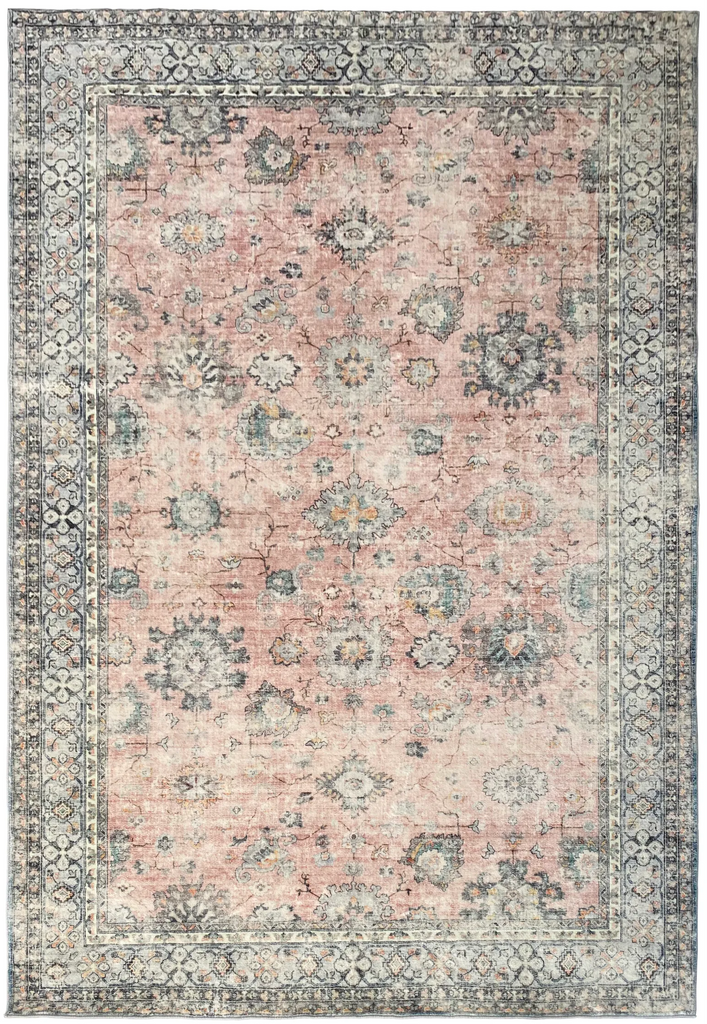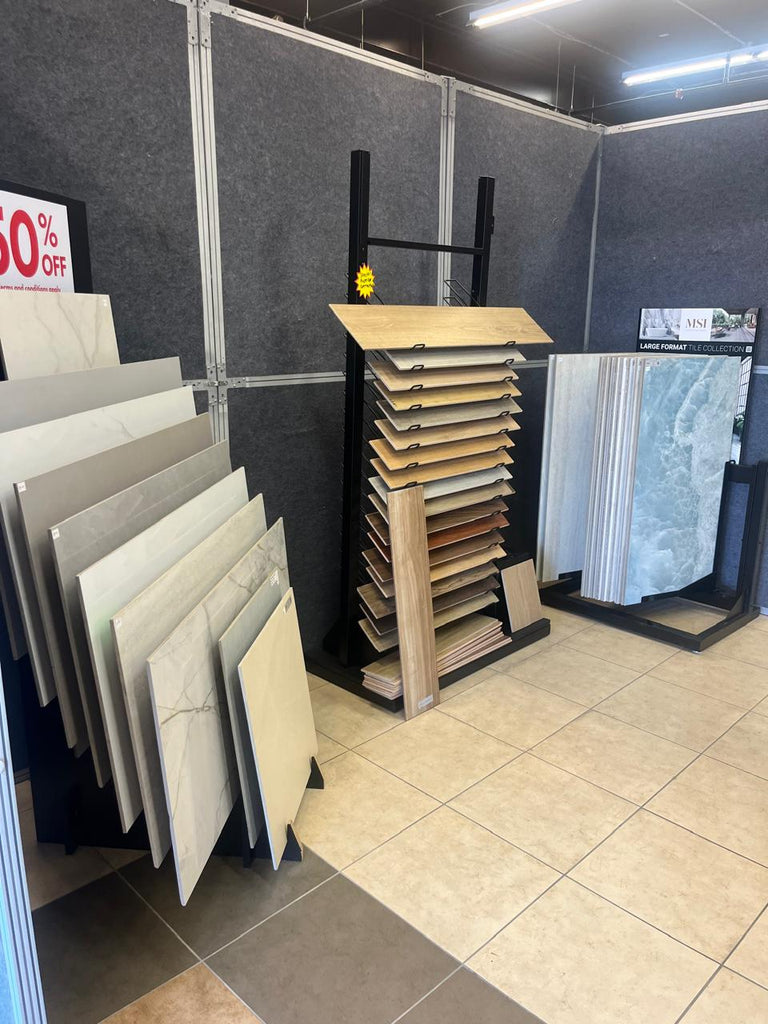
How to Choose the Perfect Rug | Toronto Rug Buying Guide
How to Select the Perfect Rug for Your Home
A rug can completely change the feel of a room.
It can add warmth, define a seating area, introduce colour and texture, and visually connect furniture that might otherwise feel disconnected.
But choosing a rug is not simply about finding a pattern you like.
One of the most common questions homeowners ask is:
What size rug should I choose?
The answer depends on the room, furniture arrangement, available floor space and the visual effect you want to create.
A rug that is too small can make a beautifully designed room feel disconnected. A rug that is appropriately sized can make the same room feel more cohesive and intentional.
This guide explains how to choose the right rug for your home—including size, placement, style, layering and practical considerations.
Why Rug Size Matters
Rug size affects the visual proportions of an entire room.
A rug can:
- Define a seating area
- Connect furniture
- Add warmth
- Create visual balance
- Introduce texture
- Establish a focal point
- Separate functional zones in an open-plan room
The most important rule is:
Choose the rug based on the furniture arrangement—not simply the size of the empty floor.
Before purchasing a rug, measure the area you want it to define.
How to Choose the Right Rug Size
There is no single rug size that works for every room.
Instead, consider the relationship between:
RUG + FURNITURE + ROOM + WALKING SPACE
Living Room Rug Size Guide
The living room is one of the most common places for an area rug.
There are several ways to arrange one.
Option 1 — All Furniture on the Rug
A larger rug can accommodate the main furniture pieces.
This can create a strong sense of unity.
This approach works particularly well in larger living rooms where the rug can comfortably accommodate:
- Sofa
- Chairs
- Coffee table
- Other seating
Option 2 — Front Legs on the Rug
A slightly smaller rug can be positioned so that the front legs of the sofa and chairs sit on the rug.
This is a practical approach when a very large rug is not appropriate for the room.
It can still visually connect the seating arrangement.
Option 3 — Coffee Table Only
A smaller rug can sit beneath the coffee table.
However, be careful.
If the rug is too small relative to the room and furniture, it can make the seating arrangement appear disconnected.
Design principle
The rug should define the conversation area—not look like an isolated island in the middle of the room.
What Size Rug Should I Use in a Living Room?
The correct size depends on:
- Room dimensions
- Sofa dimensions
- Chair placement
- Coffee table size
- Walking paths
- Overall layout
Before buying, measure the complete seating area.
Then compare rug sizes against the furniture arrangement.
Do not rely on a standard size recommendation without considering your actual room.
How to Choose a Bedroom Rug
A bedroom rug can add warmth and create a softer visual transition around the bed.
Common approaches include:
Large Rug Under the Bed
A larger rug can extend beyond the bed and bedside tables, creating a unified composition.
Rug at the Foot of the Bed
A smaller rug can be placed toward the foot of the bed when a larger rug is not appropriate.
Runners
Runners can work well beside or around a bed depending on the room layout.
Key consideration
The rug should feel intentionally positioned in relation to the bed and other furniture.
How to Choose a Dining Room Rug
Dining-room rugs require careful measurement.
The rug should generally provide enough space for dining chairs to remain on the rug when pulled away from the table.
Why?
If chairs constantly move on and off the rug, the arrangement can feel awkward and may create practical problems.
Before buying:
- Measure the dining table.
- Consider the chairs when pulled out.
- Allow adequate surrounding space.
- Check the rug dimensions against the complete dining arrangement.
Design tip
Choose a rug shape that complements the table.
For example:
Rectangular table → rectangular rug
Round table → round rug
This isn't an absolute rule, but it can create visual harmony.
How to Choose an Entryway Rug
The entryway is often one of the hardest-working areas in the home.
It can experience:
- Foot traffic
- Dirt
- Snow
- Slush
- Moisture
- Outdoor debris
The rug therefore needs to work both visually and practically.
Consider:
- Size
- Placement
- Traffic
- Cleaning requirements
- Material
- Overall entrance design
A well-positioned entry rug can also create a welcoming transition from the exterior to the interior.
How to Choose a Rug for an Open-Concept Home
Open-concept homes often have multiple functional zones within one larger space.
A rug can help define those zones.
For example:
Living Area → Dining Area → Kitchen
Instead of physically separating these spaces, rugs can visually identify the different functions.
Example
Living area:
Large area rug beneath the seating arrangement.
Dining area:
Separate rug beneath the dining table and chairs.
The rugs do not have to be identical.
They should, however, have a relationship through:
- Colour
- Tone
- Pattern
- Texture
- Overall style
Should the Rug Match the Flooring?
Not necessarily.
In fact, the rug should usually complement the flooring rather than simply match it.
Consider contrast.
Light flooring
Can work with:
- Darker rugs
- Mid-tone rugs
- Patterned rugs
- Textured rugs
Dark flooring
Can work with:
- Lighter rugs
- Neutral rugs
- Warm tones
- Contrasting patterns
Natural wood flooring
Can pair beautifully with:
- Handmade rugs
- Traditional patterns
- Contemporary designs
- Neutral textures
The objective is visual balance.
How to Choose Rug Colour
Start with the room—not the rug.
Look at:
- Flooring
- Walls
- Sofa
- Curtains
- Artwork
- Lighting
- Accessories
Then decide whether the rug should:
Blend
Create a calm, understated environment.
Complement
Introduce related colours and tones.
Contrast
Create a stronger focal point.
Accent
Use the rug to introduce a carefully selected colour or pattern.
How to Choose Rug Pattern
Pattern can transform a room.
Subtle patterns
Good for interiors where furniture, artwork or architectural features are already strong.
Bold patterns
Can become the room's focal point.
Traditional patterns
Can create warmth and character.
Contemporary patterns
Can reinforce modern interiors.
The key principle
If your furniture is visually busy, consider a quieter rug.
If your furniture and architecture are simple, a statement rug may provide the visual interest the room needs.
How to Choose Rug Texture
Texture adds another dimension to interior design.
A rug can introduce:
- Softness
- Depth
- Warmth
- Contrast
- Visual interest
Consider how the texture works with the rest of the room.
For example:
Smooth flooring + textured rug
can create an appealing contrast.
Handmade Rugs
Handmade rugs can add distinctive character to an interior.
Each piece can have its own:
- Pattern
- Texture
- Colour variation
- Craftsmanship
- Visual personality
If selecting a handmade rug, ask about:
- Material
- Construction
- Care
- Cleaning
- Placement
- Expected use
The right rug should be selected for both its beauty and its intended environment.
How to Choose a Luxury Rug
A luxury rug should not simply be selected because it is expensive.
Consider:
Design + craftsmanship + material + scale + room compatibility + care
A high-quality rug should contribute meaningfully to the interior.
It should work with the:
- Flooring
- Furniture
- Lighting
- Artwork
- Wall décor
- Overall design direction
Should You Layer Rugs?
Yes—when done intentionally.
Layering can create:
- Texture
- Depth
- Visual interest
- A more collected interior
A common approach is to use:
Larger neutral base rug + smaller statement rug
The two rugs should have enough contrast to be visually distinct while still working together.
Common Rug-Layering Mistakes
Too many competing patterns
If both rugs have strong patterns, the result can become visually overwhelming.
Incorrect proportions
The smaller rug should be appropriately sized relative to the larger base rug.
No colour relationship
Different rugs should still feel connected.
Ignoring furniture
The layered arrangement should support the furniture rather than compete with it.
Rug Placement: The Most Common Mistakes
Mistake 1 — Rug Too Small
This is one of the most common problems.
A small rug can make a large seating arrangement feel disconnected.
Mistake 2 — Rug Floating in the Room
The rug should relate to the furniture.
Mistake 3 — Ignoring Door Clearance
Make sure the rug does not interfere with doors or important walking paths.
Mistake 4 — Choosing Before Measuring
Always measure first.
Mistake 5 — Matching Everything
A room does not need every colour and pattern to match.
Coordination is usually more sophisticated than exact matching.
How to Measure Before Buying a Rug
Use this simple process:
Step 1
Measure the room.
Step 2
Measure the furniture arrangement.
Step 3
Mark the area you want the rug to define.
Step 4
Measure the available walking space.
Step 5
Compare rug dimensions.
Step 6
Use painter's tape on the floor to visualize the proposed rug dimensions.
This last step is particularly useful.
It allows you to see how much floor the rug will cover before purchasing.
Rug Selection by Room
|
Room |
Main Consideration |
|
Living Room |
Connect seating arrangement |
|
Bedroom |
Relate rug to bed and bedside furniture |
|
Dining Room |
Allow chairs to remain comfortably on rug |
|
Entryway |
Traffic, dirt and moisture |
|
Open Concept |
Define functional zones |
|
Home Office |
Relate rug to desk and chair movement |
|
Family Room |
Balance comfort, traffic and design |
How to Choose a Rug for a Busy Family Home
A family rug needs to work with everyday life.
Consider:
- Children
- Pets
- Traffic
- Cleaning
- Furniture
- Room usage
The most beautiful rug is not necessarily the most suitable rug for a particular room.
Choose based on how the space is actually used.
Rug Care and Maintenance
Every rug has specific care requirements.
Before buying, ask:
- What material is it?
- How should it be cleaned?
- Is professional cleaning recommended?
- How does it respond to sunlight?
- Is it suitable for high-traffic areas?
- What maintenance is required?
For handmade or specialty rugs, follow the manufacturer's or specialist's care recommendations.
The Perfect Rug Is About More Than Size
A successful rug selection combines:
Size + Placement + Colour + Pattern + Texture + Lifestyle
If those elements work together, the rug can become one of the strongest design elements in the room.
A Simple Rug Selection Formula
Before purchasing:
MEASURE → DEFINE → COORDINATE → COMPARE → VISUALIZE
Measure
Room and furniture.
Define
What area should the rug establish?
Coordinate
Flooring, furniture and colours.
Compare
Different sizes, materials and styles.
Visualize
Use samples or tape to see the scale in the actual room.
Frequently Asked Questions
How do I choose the right rug size?
Choose the rug size based on the furniture arrangement and the area you want to define. Measure the room and furniture before purchasing rather than choosing a size based only on the room dimensions.
What size rug is best for a living room?
The appropriate size depends on the room and furniture arrangement. The rug should generally relate to the main seating area rather than appearing isolated beneath only a small piece of furniture.
Should a living room rug go under the sofa?
It can. Depending on the room and rug size, the sofa may sit completely on the rug or have its front legs positioned on the rug.
What size rug should go under a dining table?
The rug should provide enough space for dining chairs to remain on the rug when pulled away from the table. Measure the table and chair arrangement before selecting the rug.
Should a bedroom rug go under the bed?
It can. A larger rug can extend beyond the bed and create a unified composition, while smaller rugs or runners can be used depending on the room layout.
Should a rug match the flooring?
No. A rug should generally complement the flooring and overall interior rather than match it exactly.
Can I layer rugs?
Yes. Layering can add texture and visual depth when the rugs are appropriately proportioned and coordinated.
What rug is best for a busy family home?
The best rug depends on the room, traffic, children, pets, cleaning routine, material and design preferences. Evaluate the specific rug's construction and care requirements before purchasing.
How do I choose a rug for an open-concept room?
Use rugs to define functional zones such as living and dining areas. The rugs can be different while still sharing complementary colours, textures or design elements.
Where can I find area rugs in Toronto?
Toronto-area homeowners can visit ARTEZAIB Interiors in Etobicoke to explore rug and interior décor options and discuss how different rugs can work with their flooring and room design.
Visit ARTEZAIB Interiors
Find the Rug That Completes Your Room
The right rug can transform the way a room feels.
Before choosing a size, colour or pattern, see how the rug works with your actual flooring, furniture and interior style.
Visit ARTEZAIB Interiors at:
700 Kipling Ave #300
Etobicoke, ON M8Z 5G3, Canada
+1 416 252 1522
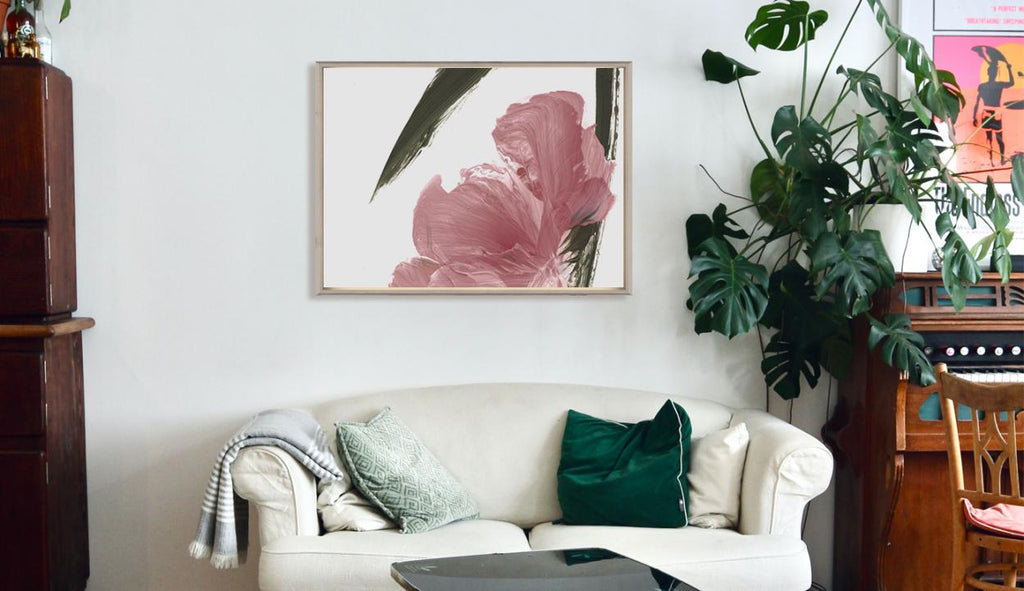
Related post
16
Oct
RECENT POSTS
16.October.2026
Custom Picture Framing in Etobicoke: How It Works, How Long It Takes and What It Costs
0 Comments
16.October.2026
Condo Flooring Installation in Etobicoke: What Your Building Will Ask For
0 Comments