Modern Interior Design Trends for Toronto Homes: Flooring, Colour, Texture & Décor
Modern Interior Design Trends for Toronto Homes
Modern interior design is not simply about following the latest trend.
The most successful interiors usually combine good design, practical living, quality materials and a sense of personal identity.
For Toronto homeowners renovating a room or an entire home, the challenge is often not finding inspiration.
There is almost too much inspiration.
The real question is:
How do I turn different flooring, colours, textures and décor ideas into one cohesive interior?
That is where thoughtful planning becomes important.
ARTEZAIB's approach should be centred around helping customers make confident decisions through premium product selection, expert guidance and personalized recommendations rather than simply selling individual products.
This guide explores practical modern interior design directions and how to use them in your own home.
What Does "Modern Interior Design" Mean?
Modern interiors are often associated with:
- Clean lines
- Simplicity
- Functional spaces
- Balanced proportions
- Natural-looking materials
- Carefully selected décor
- Limited visual clutter
But modern does not have to mean cold or empty.
A successful modern interior can be:
- Warm
- Comfortable
- Sophisticated
- Personal
- Inviting
The goal is to create a space where the materials, colours and furniture work together.
1. Start With the Foundation: Flooring
Flooring is one of the largest visual surfaces in a home.
That makes it an important starting point for interior design.
Your flooring influences how other elements appear:
- Furniture
- Rugs
- Wall colours
- Cabinetry
- Artwork
- Lighting
- Accessories
The locked ARTEZAIB strategy includes a broad flooring portfolio covering porcelain tile, luxury vinyl tile, engineered hardwood and solid hardwood.
Design principle
Choose the foundation before choosing the accessories.
Once the flooring direction is established, other design decisions become easier.
2. Natural-Looking Materials Continue to Shape Modern Interiors
Modern interiors increasingly use materials that introduce warmth and natural character.
Examples include:
- Wood-inspired flooring
- Natural stone-inspired porcelain
- Textured surfaces
- Organic-looking rugs
- Natural colour palettes
These materials can prevent minimalist interiors from feeling too sterile.
The objective
Combine clean modern lines with materials that provide:
Warmth + texture + visual depth
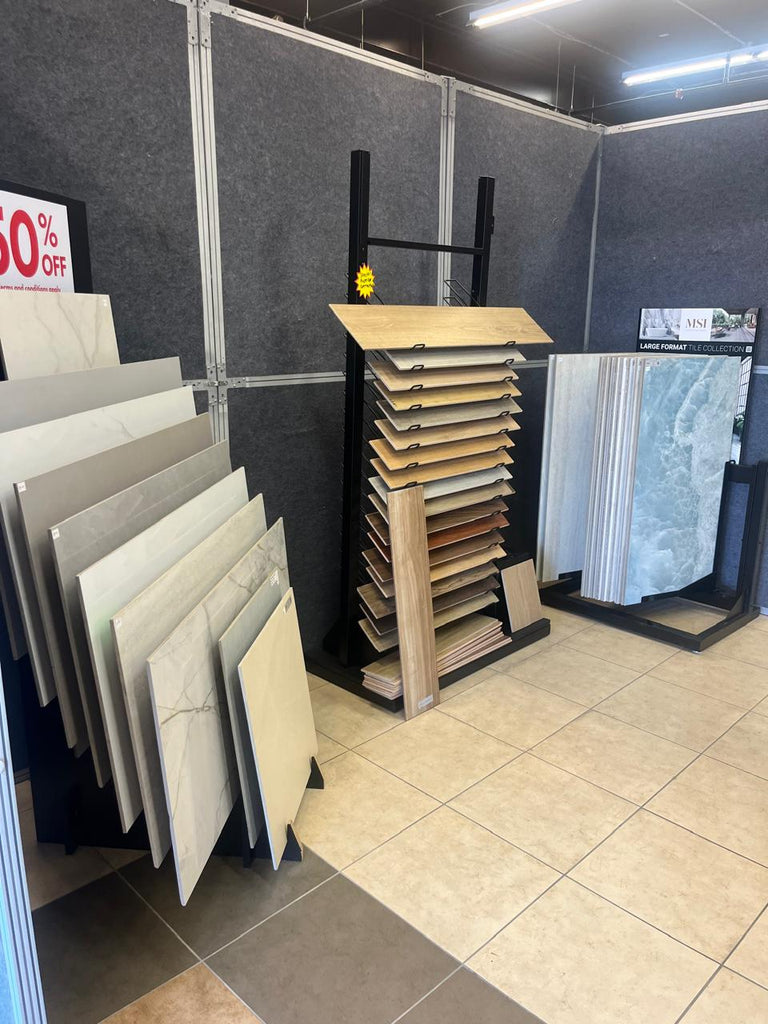
3. Large-Format Tile for a Clean Contemporary Look
Large-format tile can create a visually continuous appearance because fewer grout lines may be visible across a given surface.
This can work particularly well in:
- Contemporary kitchens
- Modern bathrooms
- Open living areas
- Feature walls
However, tile size should always be selected according to the room, layout and installation requirements.
For detailed guidance, see:
How to Choose the Right Tile Size for Your Home
4. Wood-Look Flooring
Wood remains an influential design direction because it brings warmth and natural character to interiors.
Depending on the homeowner's requirements, options can include:
- Solid hardwood
- Engineered hardwood
- Luxury vinyl with wood-inspired designs
The choice should be based on:
- Room
- Lifestyle
- Maintenance
- Moisture conditions
- Design
- Product specifications
The objective is not simply to recreate a particular trend.
It is to select a flooring solution that works for the home.
5. Warm Neutrals
Neutral colours remain highly versatile.
Instead of relying exclusively on stark white and cool grey, consider warmer tones such as:
- Cream
- Beige
- Warm white
- Taupe
- Natural wood tones
- Soft earth-inspired shades
Warm neutrals can provide a calm foundation for:
- Furniture
- Rugs
- Artwork
- Mirrors
- Decorative accessories
They also allow homeowners to update smaller décor elements without replacing the entire interior.
6. Layered Texture
A modern interior does not have to rely on colour alone.
Texture can add depth without creating visual clutter.
Consider combining:
Smooth flooring + textured rug + soft upholstery + artwork + reflective mirror
Each element contributes something different.
Examples
A smooth porcelain floor can be softened with a textured rug.
A wood floor can be complemented by a carefully selected wall art piece.
A minimalist room can gain character from a handmade rug.
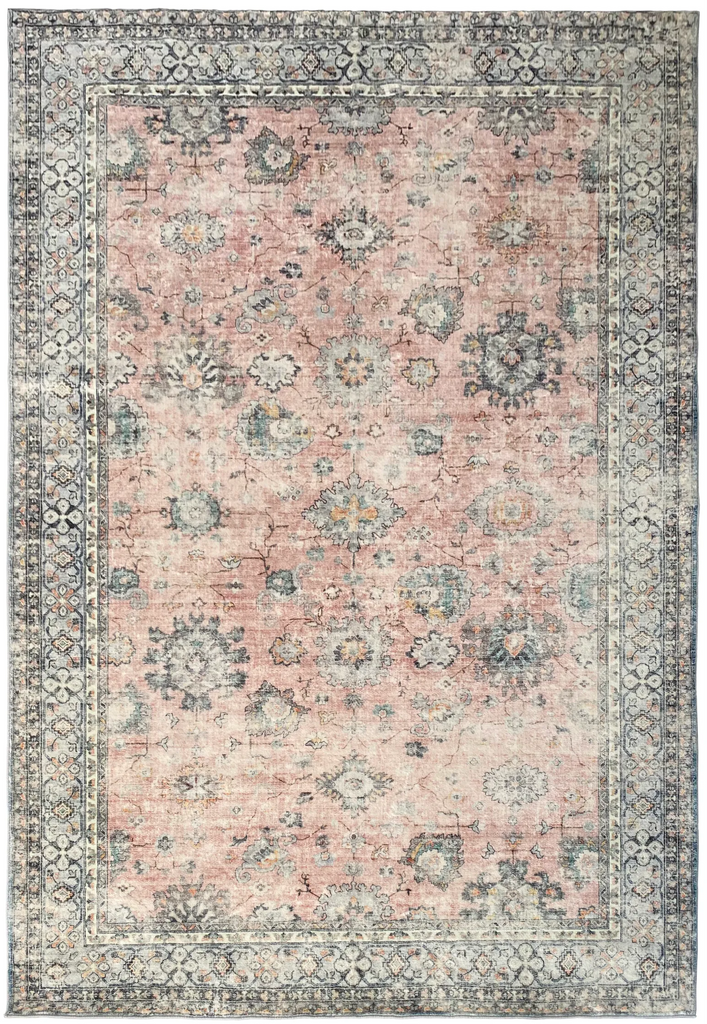
7. Area Rugs as Design Anchors
Rugs are more than decorative accessories.
They can:
- Define a seating area
- Add warmth
- Introduce colour
- Introduce texture
- Connect furniture
- Create visual zones
ARTEZAIB's product portfolio specifically includes hand-selected rugs, positioned as products that enhance comfort, define spaces and introduce texture and colour.
Design principle
Use the rug to connect the furniture—not simply to fill empty floor space.
For practical guidance, see:
How to Select the Perfect Rug for Your Home
8. Mirrors as Functional Décor
A mirror can perform more than one role.
Depending on its position, it can:
- Reflect light
- Create a sense of space
- Become a focal point
- Add decorative interest
ARTEZAIB's custom mirror offering is positioned around improving natural lighting, creating a sense of space and serving as a decorative focal point.
Design tip
Think about what the mirror will reflect.
A beautiful reflection can make the mirror more effective than simply placing it on an empty wall.
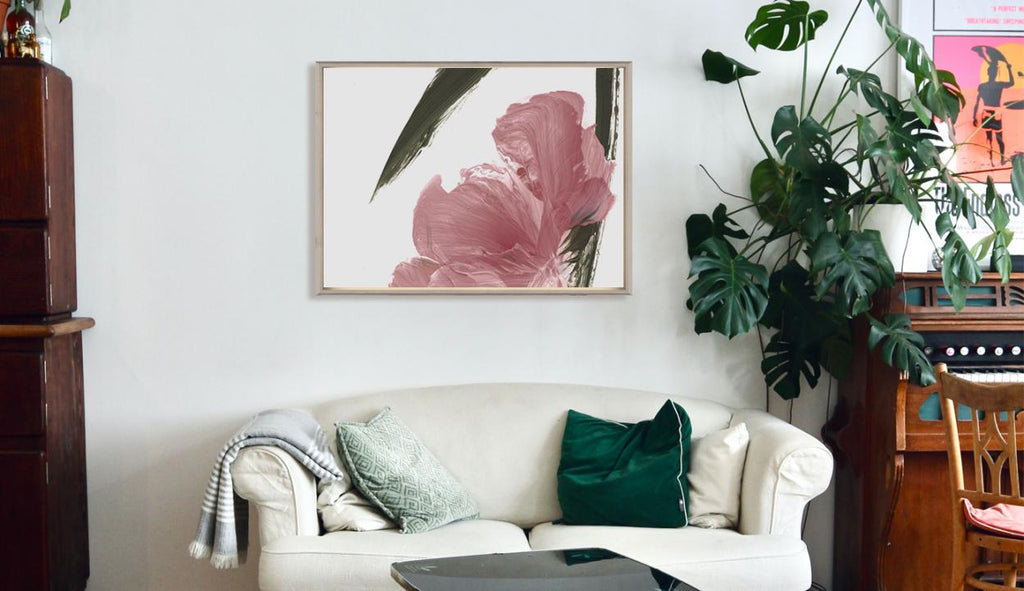
9. Wall Art With Purpose
Wall art should contribute to the room rather than simply occupy an empty wall.
Consider:
- Scale
- Colour
- Subject
- Placement
- Frame
- Relationship with furniture
A large wall may benefit from one strong artwork or a carefully planned gallery arrangement.
A smaller space may require a more restrained approach.
ARTEZAIB's wall-art offering is positioned around curated artwork that helps personalize residential and commercial environments.
10. Custom Framing as Part of the Interior
Framing can influence how artwork is perceived.
A frame should complement:
- Artwork
- Wall colour
- Furniture
- Room style
- Surrounding décor
Custom framing can therefore become part of the overall interior design rather than an afterthought.
ARTEZAIB identifies professional framing as a service that protects artwork while enhancing visual presentation.
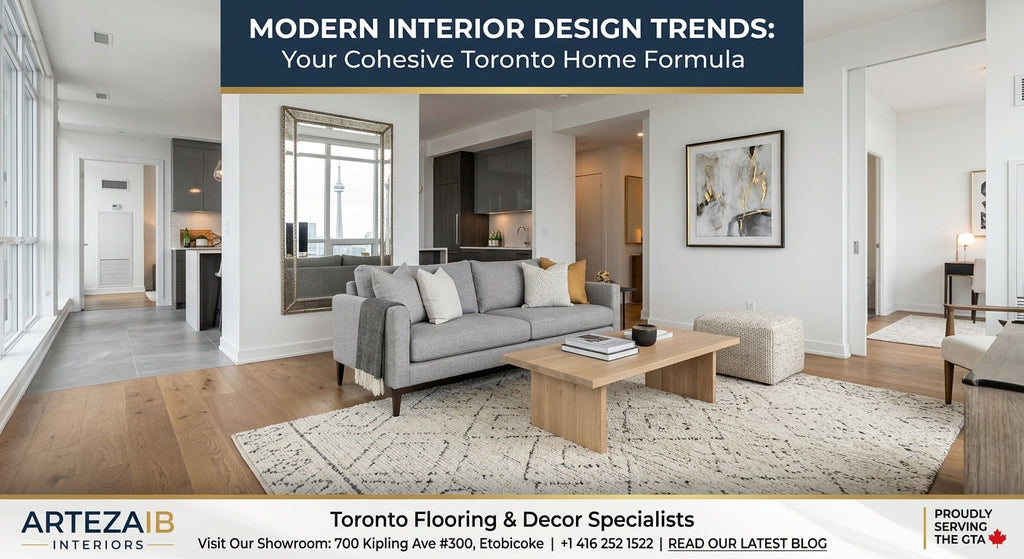
11. Open-Concept Interiors
Open-plan homes require greater coordination because several functions share one visual environment.
For example:
Kitchen → Dining → Living
The flooring, rugs, furniture and décor need to work together.
Use flooring for continuity
A consistent flooring material can visually connect the spaces.
Use rugs for zoning
Different rugs can help identify:
- Living area
- Dining area
- Reading area
Use décor for personality
Wall art, mirrors and accessories can create individual character within the connected spaces.
12. Minimalism Without Losing Personality
Minimalism does not mean removing everything.
It means being selective.
Instead of filling a room with:
- Furniture
- Décor
- Artwork
- Accessories
choose fewer pieces that have greater impact.
Ask yourself:
Does this item add function, beauty, character or meaning?
If the answer is no, reconsider whether it belongs in the room.
13. Statement Pieces
A statement piece can become the visual focus of a room.
Examples include:
- Dramatic rug
- Large-format tile
- Statement wall art
- Custom mirror
- Distinctive furniture
- Feature wall
Important
Do not create too many competing focal points.
Choose one or two major visual features and allow the rest of the room to support them.
14. Mixing Materials
Modern interiors can become more sophisticated when materials are deliberately combined.
For example:
Wood-look flooring + stone-inspired tile + textured rug + metal accents + framed artwork
The materials should not necessarily match.
They should relate.
What creates the relationship?
- Similar undertones
- Repeated colours
- Complementary textures
- Consistent design language
15. Modern Design for Family Homes
Modern design should still work for everyday life.
A family home needs to accommodate:
- Children
- Pets
- Guests
- Storage
- Cleaning
- Daily traffic
Therefore, the best design is not necessarily the most visually dramatic.
It is the design that successfully balances:
Beauty + Function + Comfort + Lifestyle
For more information, see:
Best Flooring for Families: How to Choose Flooring for Kids, Pets & Everyday Life
16. Modern Design for Small Spaces
Small rooms benefit from thoughtful visual planning.
Consider:
Light colours
They can create a brighter visual environment.
Consistent flooring
Reducing visual breaks can help connected areas feel more cohesive.
Mirrors
Strategically positioned mirrors can reflect light and create a sense of space.
Correctly sized rugs
An appropriately scaled rug can make a room feel intentional rather than cluttered.
Less furniture
Prioritize pieces that provide both function and visual value.
17. Modern Design for Larger Homes
Larger spaces create different challenges.
A large room can sometimes feel empty if everything is pushed against the walls.
Instead, consider creating zones.
For example:
Main seating area
Reading area
Conversation area
Dining area
Use:
- Rugs
- Lighting
- Furniture
- Flooring
- Artwork
to establish the relationship between those zones.
18. Lighting Is Part of Interior Design
The same flooring or rug can look different under different lighting.
Consider:
- Natural daylight
- Warm artificial lighting
- Cool artificial lighting
- Direction of sunlight
- Room orientation
Before making major design decisions, evaluate samples in the lighting conditions where they will actually be used.
19. Don't Design Each Room in Isolation
One of the easiest ways to create a disconnected home is to design every room independently.
Instead, establish a common design language.
For example:
Flooring
Consistent or complementary flooring.
Colour
Repeated tones throughout the home.
Materials
A few recurring material themes.
Décor
Related rug, artwork and mirror selections.
The result can feel much more intentional.
20. Modern Design Should Reflect You
Trends can provide inspiration.
But your home should not look like a showroom catalogue.
Your interior should reflect:
- Your lifestyle
- Your preferences
- Your personality
- Your family
- Your daily routines
Use trends as a starting point—not a rulebook.
A Simple Modern Interior Design Formula
Start with:
1. FOUNDATION
Flooring and major surfaces.
2. COLOUR
Walls, cabinetry and major furniture.
3. TEXTURE
Rugs, upholstery and decorative surfaces.
4. FOCAL POINT
Artwork, mirror, feature wall or statement furniture.
5. ACCESSORIES
Only what genuinely contributes to the room.
6. LIGHTING
Make sure everything works in the actual lighting environment.
Common Modern Interior Design Mistakes
Mistake 1 — Following Every Trend
Trends change.
Your major renovation should have longevity.
Mistake 2 — Choosing Products Individually
A beautiful floor, beautiful rug and beautiful artwork can still look wrong together.
Think about the complete room.
Mistake 3 — Too Many Focal Points
Choose where the eye should go first.
Mistake 4 — Ignoring Scale
A small rug in a large room or tiny artwork on a large wall can make the room feel unbalanced.
Mistake 5 — Forgetting Function
A beautiful space that does not work for everyday life is not successful design.
Mistake 6 — Designing Only for Photographs
Your home is for living.
Prioritize comfort, functionality and long-term satisfaction.
How to Create a Cohesive Modern Interior
Use this five-step approach:
Step 1 — Define Your Style
Modern, contemporary, transitional, minimalist or another direction.
Step 2 — Choose the Foundation
Start with flooring and major surfaces.
Step 3 — Establish Your Palette
Select complementary colours.
Step 4 — Add Texture
Introduce rugs, upholstery, artwork and other tactile elements.
Step 5 — Personalize
Add mirrors, artwork, accessories and pieces that reflect your personality.
Where Should You Start Your Renovation?
If you are renovating several areas at once, begin with the elements that are:
- Largest
- Most expensive to change
- Most visually dominant
- Most difficult to replace later
This often means starting with:
Flooring → major surfaces → cabinetry/furniture → rugs → artwork → accessories
Planning in this order can reduce the risk of selecting décor that later conflicts with the foundation of the room.
Frequently Asked Questions
What are the modern interior design trends for Toronto homes?
Current design direction can include warm neutrals, natural-looking materials, clean lines, layered textures, thoughtfully selected rugs, statement artwork and coordinated flooring and décor. The best choices should reflect the home's architecture and the homeowner's lifestyle rather than simply following trends.
What flooring is popular for modern interiors?
Modern interiors can incorporate porcelain tile, luxury vinyl, engineered hardwood and solid hardwood. The right choice depends on the room, lifestyle, design goals and product specifications.
How do I make my home look more modern?
Start with the foundation—flooring and major surfaces—then coordinate colour, furniture, rugs, artwork, mirrors and lighting. Reduce visual clutter and use carefully selected statement pieces.
How can I make a modern home feel warmer?
Use warm neutral colours, wood-inspired materials, textured rugs, soft furnishings, artwork and carefully selected lighting.
How can rugs improve modern interiors?
Rugs can define spaces, add texture, introduce colour and connect furniture. Correct size and placement are particularly important.
Do mirrors make a room look bigger?
A strategically positioned mirror can reflect light and create a sense of space. The result depends on the mirror's size, position, lighting and what it reflects.
How do I mix different flooring and décor materials?
Look for relationships between colours, undertones, textures and design styles rather than trying to make every material identical.
Should every room in my home have the same design?
Not necessarily. Individual rooms can have their own personality while sharing a consistent overall design language.
Should I follow interior design trends?
Use trends as inspiration, but prioritize your lifestyle, preferences, home architecture and long-term satisfaction.
Where can I get flooring and interior décor advice in Toronto?
Toronto-area homeowners can visit ARTEZAIB Interiors in Etobicoke for flooring and interior décor options and personalized consultation.
Visit ARTEZAIB Interiors
Bring Your Interior Vision Together
A successful interior is not created by choosing the most expensive product or following every trend.
It comes from making the right materials, colours, textures and décor work together.
ARTEZAIB Interiors brings flooring and interior décor solutions together with personalized guidance to help homeowners make confident decisions.
Visit the showroom:
700 Kipling Ave #300
Etobicoke, ON M8Z 5G3, Canada
+1 416 252 1522
Related post
16
Oct
RECENT POSTS
16.October.2026
Custom Picture Framing in Etobicoke: How It Works, How Long It Takes and What It Costs
0 Comments
16.October.2026
Condo Flooring Installation in Etobicoke: What Your Building Will Ask For
0 Comments